

Agriculture is one of the oldest and most important parts of Bangladesh’s economy. For generations, farmers have grown rice, vegetables, fish, and other food crops to feed the country. Today, farming in Bangladesh is changing. New methods, tools, and technologies are helping farmers work better and produce more.
Bangladesh has about 13 million farm households. Most farms are small. Many farmers depend on rain and seasonal patterns to grow their crops. But climate change, land pressure, and rising input costs are making traditional farming harder. This is why agricultural innovation is becoming so important.
New farming techniques are increasing yields, reducing waste, and improving incomes. Government programs, research institutions, and private companies are all playing a role. This article explains how agricultural innovation is changing farming in Bangladesh and what it means for the economy, investors, and communities.
What Is Agricultural Innovation in Bangladesh?
Agricultural innovation refers to the use of new ideas, tools, methods, and technologies to improve farming. In Bangladesh, this includes better seeds, modern irrigation systems, mechanized equipment, and digital tools that help farmers make better decisions.
Smart farming Bangladesh is a specific approach within agricultural innovation. It uses data, sensors, mobile applications, and remote monitoring to manage crops more efficiently. Smart farming helps farmers track soil health, water levels, weather patterns, and pest activity. The goal is to grow more food using fewer resources.
Agricultural innovation is not only about high-tech tools. It also includes improved farming practices, better crop varieties, training programs, and access to markets. All of these changes together are transforming farming in Bangladesh from a traditional activity into a more productive and sustainable sector.
History and Background
Bangladesh has a deep history in agriculture. Since ancient times, the fertile land of the Bengal delta has supported rice, jute, and other crops. The rivers and floodplains made the region one of the most productive farming areas in Asia.
After independence in 1971, Bangladesh faced serious food shortages. The government and international organizations worked to increase food production. The Green Revolution of the 1970s and 1980s brought high-yielding rice varieties to Bangladesh. Organizations like the Bangladesh Rice Research Institute (BRRI) developed improved rice varieties suited to local conditions.
During the 1990s and 2000s, agricultural extension services expanded. The government trained farmers in better practices. Fertilizer use increased. Irrigation networks grew. Bangladesh gradually moved from food deficit to near food self-sufficiency.
By the 2010s, a new phase began. Digital tools, mobile phones, and the internet reached rural areas. New innovations like solar irrigation pumps, drip irrigation, and mobile advisory services started to appear. International development organizations and private companies began investing in agricultural technology for Bangladesh.
Today, Bangladesh is recognized internationally for several agricultural achievements, including significant growth in rice production and aquaculture. Innovation continues to drive further improvements.
Current Situation in Bangladesh
Bangladesh’s agriculture sector today is diverse and active. According to the World Bank, agriculture contributes around 12 to 14 percent of the country’s GDP and employs nearly 40 percent of the workforce. These numbers make agriculture one of the most economically significant sectors in Bangladesh.
Rice remains the dominant crop. Bangladesh is now one of the top rice-producing countries in the world. Wheat, maize, vegetables, fruits, and pulses are also grown widely. The fisheries and livestock subsectors are large and growing.
Modern farming tools are becoming more common. Power tillers and combine harvesters are now used widely in paddy farming. Solar-powered irrigation pumps are replacing diesel pumps in many areas. Farmers are accessing weather forecasts and crop advice through mobile phones.
The government runs programs through the Department of Agricultural Extension (DAE) to train farmers and distribute improved seeds. The Bangladesh Agricultural Development Corporation (BADC) supplies seeds and fertilizers. Research institutions like BRRI and the Bangladesh Agricultural Research Institute (BARI) continue to develop new crop varieties.
Private companies and startups are also entering the agricultural space. They offer digital platforms, agri-inputs, and market access tools. NGOs like BRAC play an important role in farmer training and rural development.
Business and Economic Importance
Agriculture is not just about food. It is a major economic engine in Bangladesh. Millions of jobs depend on farming and related activities. Food processing, agri-input supply, logistics, and retail all connect to the agricultural sector.
The jute industry is one example. Bangladesh is one of the world’s largest jute producers. Jute is an agricultural product that supports a significant manufacturing and export industry. Agricultural innovation in jute farming — including disease-resistant varieties and better retting methods — supports this export value chain.
Fisheries and aquaculture are also major economic contributors. Bangladesh is one of the top fish-producing countries globally, according to the Food and Agriculture Organization (FAO). The shrimp and fish export sector earns hundreds of millions of dollars each year. Innovations in aquaculture — including disease management, better feed, and improved pond management — are helping this industry grow.
Agricultural growth directly supports rural incomes. When farmers earn more, they spend more. This boosts local markets and supports the broader Bangladesh economy. Investment in agricultural innovation, therefore, has economic effects beyond the farm.
For investors, the agricultural sector in Bangladesh offers opportunities in agri-input supply, food processing, cold chain logistics, and digital platforms. These areas are growing as the sector modernizes.
Key Types of Agricultural Innovation in Bangladesh
Improved Crop Varieties
Research institutions have developed hundreds of improved crop varieties for Bangladesh. BRRI alone has released over 100 rice varieties suited to different conditions — including flood-tolerant, drought-tolerant, and salt-tolerant varieties. These seeds help farmers deal with climate challenges and increase yields.
Mechanization
The use of machines in farming is growing fast. Power tillers are now common for land preparation. Combine harvesters reduce the time and labor needed during rice harvest. Threshers, sprayers, and seeding machines are also in use. Mechanization reduces post-harvest losses and lowers labor costs.
Modern Irrigation Systems
Traditional flood irrigation wastes water. New methods like drip irrigation and sprinkler systems deliver water directly to plant roots. Solar-powered irrigation pumps reduce fuel costs. These systems are especially useful in areas where water is scarce or expensive.
Greenhouse and Controlled Environment Farming
Greenhouse farming allows year-round vegetable production in Bangladesh. Farmers use plastic tunnels or permanent greenhouses to grow tomatoes, capsicum, cucumbers, and other vegetables outside the normal growing season. This increases income and reduces seasonal price swings.
Mobile Advisory Services
Mobile phones have transformed how farmers get information. Services like the government’s Krishi Call Center (16123) allow farmers to call and speak with agricultural experts. Apps and SMS-based services provide weather forecasts, market prices, and pest management advice directly to farmers.
Precision Farming Tools
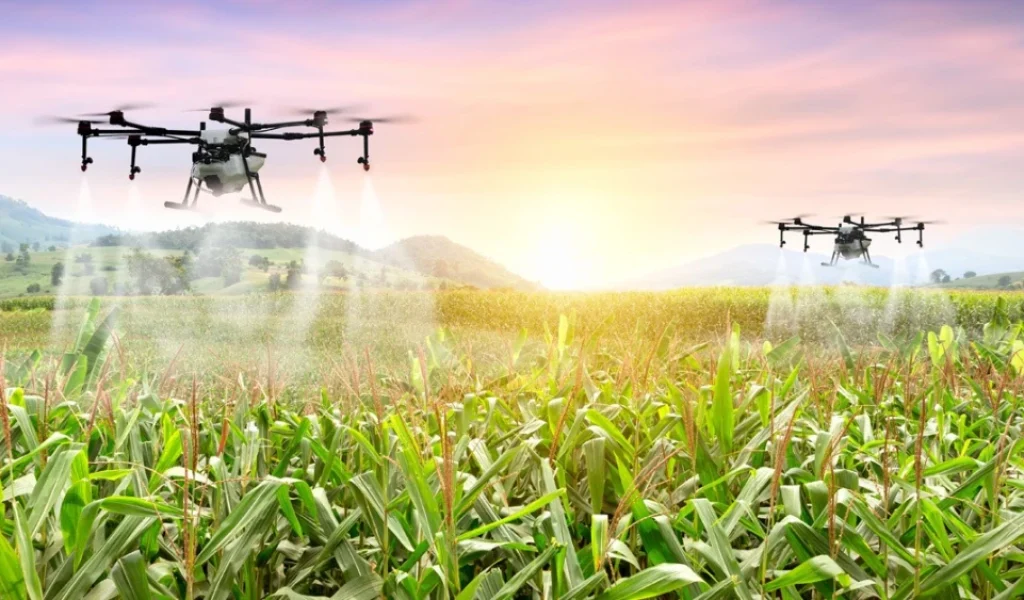
Precision farming uses data to manage crops more efficiently. Soil testing kits help farmers apply the right amount of fertilizer. Drone-based crop monitoring is being piloted in some areas. These tools reduce input waste and improve productivity.
Integrated Pest Management (IPM)
IPM is a method of controlling crop pests using a combination of biological, cultural, and chemical methods. It reduces dependence on chemical pesticides, which lowers costs and improves food safety. The government and NGOs promote IPM widely across Bangladesh.
Aquaculture Technology
In the fisheries sector, innovations include recirculating aquaculture systems (RAS), better fish feed formulations, disease diagnostics, and improved pond management techniques. These help fish farmers produce more with fewer losses.
Market Trends in Bangladesh
Growth in Agri-Tech Startups
A small but growing number of technology startups are entering Bangladesh’s agricultural market. They offer apps for market price information, input delivery services, and digital credit for farmers. This segment is still early-stage but attracting investor attention.
Rise of Contract Farming
Contract farming is growing in Bangladesh. Under this model, a company agrees to buy a farmer’s crop at a set price before it is grown. This gives farmers income security and encourages them to adopt better practices. Companies in food processing, export, and retail are using contract farming to secure supply.
Cold Chain Development
A large share of Bangladesh’s fruits and vegetables are lost after harvest due to lack of cold storage and transport. Investment in cold chain infrastructure is growing. Cold storage facilities and refrigerated transport are helping reduce food losses and increase farmer incomes.
Organic and Safe Food Demand
Urban consumers in Bangladesh are increasingly asking for pesticide-free and organic produce. This trend is encouraging some farmers to shift toward safer farming practices. Premium prices for certified safe food are creating new market opportunities.
Climate-Smart Agriculture
Bangladesh is highly vulnerable to climate change. Flooding, cyclones, droughts, and salinity affect large farming areas. Climate-smart agriculture — using flood-tolerant seeds, raised farming beds, and water management techniques — is becoming more common as farmers adapt to these conditions.
Government Digital Agriculture Programs
The government has launched initiatives to bring digital tools to farmers. The National Agricultural Technology Program (NATP) and other programs support research, extension, and farmer training. The government is also promoting e-agriculture platforms to connect farmers with markets and services.
Opportunities
Agri-Input Supply
There is strong demand for quality seeds, fertilizers, pesticides, and farming equipment in Bangladesh. Companies that supply these inputs have a large market. Innovation in input products — such as bio-fertilizers or precision application equipment — can capture premium segments.
Food Processing and Value Addition
Bangladesh produces large quantities of rice, vegetables, fish, and fruit. But processing and value addition remain limited. Investors in food processing plants can benefit from abundant raw materials, a large domestic market, and export potential. Products like frozen fish, processed vegetables, and packaged rice have both local and international demand.
Cold Chain Logistics
The gap in cold chain infrastructure is both a challenge and an opportunity. Investors who build cold storage facilities and refrigerated logistics networks can reduce food waste and earn reliable returns. Demand from farmers, traders, and retailers is growing.
Digital Platforms for Farmers
Connecting farmers to markets, credit, and advisory services through digital platforms is a growing business opportunity. Bangladesh has high mobile phone penetration. Platforms that help farmers sell directly to buyers, access loans, or get expert advice can scale quickly if designed for rural users.
Export of Specialty Products
Bangladesh exports shrimp, fish, vegetables, and other agricultural products. There is scope to expand exports by improving product quality, certification, and supply chain management. Markets in Europe, the Middle East, and Asia offer opportunities for high-quality Bangladeshi agricultural products.
Climate-Smart Technology Providers
Companies and organizations that provide climate-adapted seeds, flood management tools, or weather-based advisory services are in growing demand as climate pressures increase on Bangladeshi farms.
Challenges
Small Farm Size
Most farms in Bangladesh are very small — often less than one acre. This makes it hard to use large machines or invest in expensive technology. Small farms also produce less volume, which limits bargaining power with buyers.
Limited Access to Finance
Many farmers cannot access bank loans easily. Interest rates can be high. Collateral requirements are difficult to meet for small farmers. Limited credit means farmers cannot invest in better seeds, equipment, or irrigation systems. Bangladesh Bank has programs to increase agricultural lending, but gaps remain.
Post-Harvest Losses
A significant portion of crops in Bangladesh is lost after harvest. Poor storage, lack of cold chain, and transport problems contribute to these losses. Reducing post-harvest losses could significantly increase effective food supply without growing more crops.
Climate Change and Disasters
Bangladesh faces floods, droughts, cyclones, and rising sea levels. These events damage crops and disrupt farming regularly. Climate change is making weather more unpredictable, which increases risk for farmers. Adaptation requires investment that many small farmers cannot afford.
Soil Degradation
Overuse of chemical fertilizers and poor land management have reduced soil quality in some areas of Bangladesh. Degraded soil produces lower yields and requires more inputs to maintain productivity. Restoring soil health is a long-term challenge.
Market Access and Price Instability
Farmers, especially in remote areas, often struggle to get fair prices for their crops. Supply chains involve many middlemen. Prices can fall sharply at harvest time when supply is high. Without better market access, farmers cannot benefit fully from higher production.
Limited Skilled Workforce
Modern farming techniques require knowledge and skills. Many farmers in Bangladesh have limited formal education. Training programs exist but do not always reach the most remote areas. The lack of trained agricultural workers slows adoption of new methods.
Technology Awareness
Many farmers are not aware of the new tools and methods available to them. Reaching millions of small farmers with information and training is a significant logistical and resource challenge.
Future Outlook
The future of agriculture in Bangladesh looks positive, though it requires continued investment and policy support.
Bangladesh’s government has set agriculture as a priority sector in its development plans. The target of becoming a developed country by 2041 includes strong emphasis on food security, rural income growth, and agricultural modernization. Government programs are expected to increase funding for agricultural research, extension, and infrastructure.
Improved crop varieties will continue to be developed. Research institutions are working on varieties that can withstand salinity, floods, and drought — all of which are expected to become more serious with climate change. Biofortified crops that provide better nutrition are also in development.
Mechanization will increase. As labor becomes more expensive and farm sizes remain small, affordable machines will become more important. The market for small-scale agricultural machinery is expected to grow significantly.
Digital agriculture will expand. Mobile connectivity and smartphone use in rural Bangladesh are growing. More farmers will use digital tools for market information, weather data, and expert advice. Private companies and startups are likely to launch more services in this space.
Export growth in fisheries, vegetables, and processed food is expected. Bangladesh is developing better quality certification systems and supply chain management to meet international standards. This will open more export markets.
Sustainable farming practices will gain more attention. Pressure from climate change, soil degradation, and international buyers for environmentally responsible products will push farmers and companies toward greener methods.
Overall, agriculture in Bangladesh is moving toward a more technology-driven, market-connected, and climate-resilient model. This transition will take time, but the direction is clear.
Conclusion
Agricultural innovation is transforming farming in Bangladesh. New seeds, machines, irrigation systems, mobile tools, and market platforms are helping farmers produce more and earn more. These changes are supporting food security, rural income growth, and economic development.
The challenges are real — small farm sizes, limited finance, post-harvest losses, and climate risks all require attention. But the opportunities are equally real. Investment in agriculture, technology, and rural infrastructure can generate strong returns while supporting millions of Bangladeshi farmers.
For investors, businesses, policymakers, and development organizations, Bangladesh’s agricultural sector offers a large and growing market. Understanding how innovation is reshaping this sector is key to making good decisions and contributing to sustainable growth.
Frequently Asked Questions (FAQ)
1. What is the role of agriculture in Bangladesh’s economy?
Agriculture contributes around 12 to 14 percent of GDP and employs close to 40 percent of Bangladesh’s workforce. It is a major source of rural income and supports food security for over 170 million people.
2. What is smart farming in Bangladesh?
Smart farming Bangladesh refers to the use of digital tools, sensors, mobile applications, and data-driven methods to manage crops more efficiently. It helps farmers monitor soil, water, weather, and pest conditions to make better decisions and reduce waste.
3. What crops are most important in Bangladesh’s agriculture?
Rice is the most important crop. Other major crops include wheat, maize, jute, vegetables, and fruits. Fisheries and livestock are also major parts of the agricultural sector.
4. Which government agencies support agricultural innovation in Bangladesh?
Key agencies include the Department of Agricultural Extension (DAE), Bangladesh Agricultural Development Corporation (BADC), Bangladesh Rice Research Institute (BRRI), and Bangladesh Agricultural Research Institute (BARI). These bodies develop new crop varieties, supply inputs, and train farmers.
5. How is climate change affecting farming in Bangladesh?
Climate change is increasing the frequency of floods, droughts, cyclones, and saltwater intrusion. These events damage crops and make farming less predictable. Farmers and researchers are responding by developing climate-adapted crop varieties and farming techniques.
6. What is contract farming and how does it work in Bangladesh?
Contract farming is when a buyer agrees to purchase a farmer’s crop at a set price before it is grown. The buyer may also provide seeds or inputs. It gives farmers income security and encourages better farming practices. It is growing in Bangladesh’s vegetable, fish, and export crop sectors.
7. Are there investment opportunities in Bangladesh’s agricultural sector?
Yes. Key opportunities include agri-input supply, food processing, cold chain logistics, digital farm platforms, and export-oriented value chains. The sector is growing and has strong government support.
8. What is BRRI and what does it do?
The Bangladesh Rice Research Institute (BRRI) is a government research body that develops improved rice varieties for Bangladesh. It has created more than 100 varieties suited to different conditions, including flood-tolerant and salt-tolerant rice, helping farmers adapt to challenges.
9. How are mobile phones helping farmers in Bangladesh?
Farmers use mobile phones to access weather forecasts, market prices, and expert advice. The government’s Krishi Call Center (16123) allows farmers to speak with agricultural experts. Various apps and SMS services also provide farming information directly to rural users.
10. What are the main challenges for small farmers in Bangladesh?
The main challenges include very small farm sizes, limited access to finance, post-harvest losses, market access problems, and climate-related risks. Government and NGO programs are working to address these issues, but significant gaps remain.