

Bangladesh is a country in transition. Its economy has grown steadily for more than a decade. Millions of young people are entering the workforce each year. Internet and mobile phone use is rising rapidly. These conditions are creating a foundation for a new type of business: the startup.
A startup is a new company, usually small, that is trying to solve a problem or serve a market in a new way. Startups often use technology to deliver their products or services. In Bangladesh, startups are working in areas such as financial technology, e-commerce, healthcare, education, logistics, and agriculture. They are creating jobs, serving previously underserved populations, and drawing attention from investors both inside and outside the country.
For investors, startups represent a different kind of opportunity compared to traditional assets like land, gold, or bank deposits. Investing in startups involves higher risk. Not all startups succeed. But those that do can generate returns that are far higher than conventional investments. This potential has made startup investment an increasingly interesting option for a growing number of investors in Bangladesh.
This article explains the startup investment landscape in Bangladesh. It covers what startup investment means, how the ecosystem developed, which sectors are attracting the most interest, and what investors should understand before committing capital to early-stage businesses.
What Is Startup Investment and Venture Capital in Bangladesh?
A startup is a newly established business that is designed to grow quickly. Unlike a traditional small business that serves a local market, a startup typically has ambitions to scale — to grow its customer base and revenue rapidly, often by using technology to reach many people with limited additional cost.
Startup investment refers to the act of providing financial capital to a startup in exchange for a share of ownership in the company. Investors who take an ownership stake in a startup hope that the company will grow, become more valuable, and eventually allow them to sell their shares at a profit.
Venture capital is a specific type of startup investment. Venture capital firms pool money from institutional investors and high-net-worth individuals and invest that money into promising early-stage companies. In exchange, they receive equity — a percentage ownership of the business. Venture capital investors usually work closely with the startups they invest in, providing advice, industry connections, and operational support alongside their financial contribution.
Angel investors are another important category. An angel investor is typically a wealthy individual who invests personal funds into startups, often at a very early stage before the company has a proven track record. Angel investors in Bangladesh are increasingly active as the startup ecosystem matures.
According to the World Bank, early-stage investment and entrepreneurship support are important components of private sector development in countries like Bangladesh, where formal financial markets are still developing.
History and Background of Startups in Bangladesh
The startup culture in Bangladesh began to take shape in the late 2000s and early 2010s. At that time, a small group of technology-focused entrepreneurs in Dhaka began building digital businesses. These early ventures were supported by a community of developers, designers, and business professionals who had either studied abroad or worked for international companies.
The launch of bKash in 2011 was a landmark moment for the Bangladeshi technology sector. bKash demonstrated that a locally developed technology product could attract major international investment — including from the Bill and Melinda Gates Foundation — and reach tens of millions of users. It showed the potential of Bangladesh as a market for fintech and digital services.
Between 2013 and 2018, the startup ecosystem began to formalise. Incubators, accelerators, and co-working spaces opened in Dhaka. The government established the ICT Division and launched programmes to support digital entrepreneurs. Universities introduced entrepreneurship courses and startup competitions. Startup Bangladesh, a government-backed venture capital fund, was established to provide early-stage funding to promising companies.
By 2019 and 2020, international venture capital firms had begun investing in Bangladeshi startups. Pathao, a ride-sharing and delivery platform, became one of the first Bangladeshi startups to attract significant international funding. Shajgoj, an e-commerce platform for beauty products, and Chaldal, an online grocery service, also raised capital from external investors.
The COVID-19 pandemic in 2020 disrupted some businesses but accelerated digital adoption across Bangladesh. This created new opportunities for startups providing online services, digital payments, telemedicine, and e-learning. The period brought more attention to the potential of Bangladesh’s startup sector from regional and global investors.
Current State of the Startup Ecosystem in Bangladesh
Bangladesh’s startup ecosystem in 2026 is more active and better resourced than at any previous point in its history. Dhaka is the main hub for startup activity, though companies are also emerging from Chattogram, Sylhet, and other cities.
The number of registered startups in Bangladesh has grown significantly. They operate across many sectors, with financial technology, e-commerce, logistics, health technology, and education technology being among the most active. Some startups have grown to a national scale, serving millions of users across the country.
Startup Bangladesh Limited, a government-backed initiative under the ICT Division, provides seed funding, mentorship, and market development support to early-stage startups. It is one of the few government-operated venture funds in South Asia.
Private venture capital activity has also increased. Both local and regional venture capital firms are actively looking for investment opportunities in Bangladesh. Singapore, India, and the United States-based venture funds have all made investments in Bangladeshi companies in recent years.
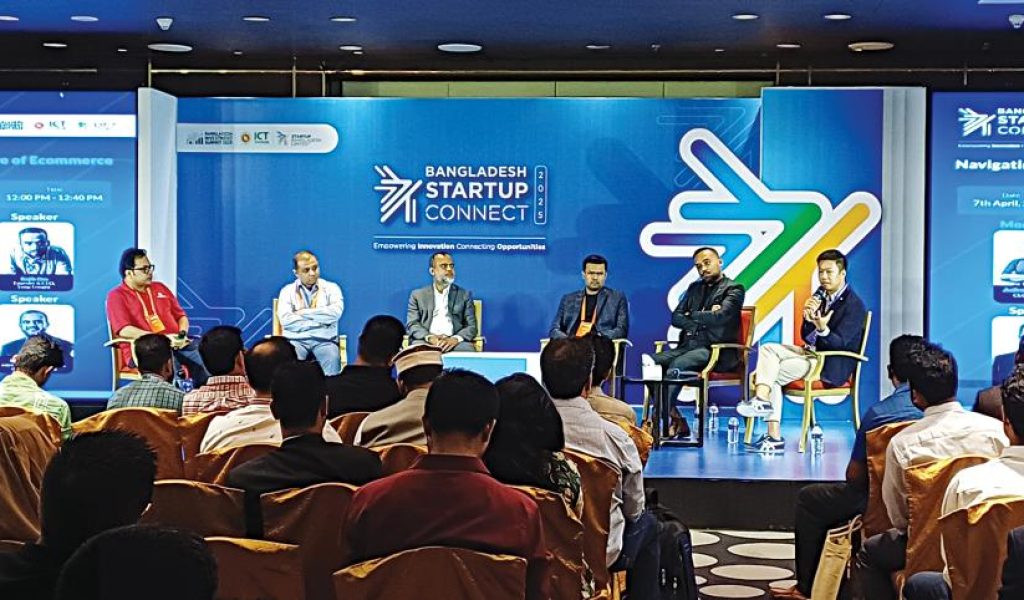
The Bangladesh Association of Software and Information Services (BASIS) and other industry organisations support the technology and startup community through events, advocacy, and networking. Annual startup competitions and demo days are held regularly, giving entrepreneurs the opportunity to pitch their businesses to investors.
Economic Importance of Startup Investment in Bangladesh
Startups contribute to Bangladesh’s economy in several direct and indirect ways. The most immediate contribution is job creation. Technology-based startups hire software developers, marketers, customer service agents, data analysts, and logistics workers. As startups grow, they expand their teams and create employment for educated young Bangladeshis.
Startups also contribute to formalisation of the economy. When a new company registers, obtains licences, and pays taxes, it adds to the formal economic sector. Many startups also help their users participate more fully in the formal economy — for example, by providing access to digital banking, formal credit, or registered e-commerce platforms.
The inflow of international venture capital into Bangladesh’s startup sector brings foreign currency into the country. This is particularly significant because international investors are expressing confidence in Bangladesh’s market potential, which can influence broader investor sentiment toward the country.
Startups also drive innovation. They develop new products, services, and business models that can improve how things are done across many sectors of the economy. A startup that improves agricultural supply chains, for example, can benefit millions of farmers and consumers simultaneously.
According to Trading Economics – Bangladesh GDP data, Bangladesh has maintained strong GDP growth rates over the past decade. Startup activity contributes to this growth by increasing productivity and enabling new forms of economic activity.
Key Sectors Attracting Startup Investment in Bangladesh
Financial Technology (Fintech)
Fintech is one of the most active sectors for startups in Bangladesh. The success of bKash demonstrated the scale of demand for digital financial services in a country where a large proportion of the population was previously excluded from formal banking.
Fintech startups in Bangladesh are working on mobile payments, digital lending, insurance products, savings tools, and remittance services. They serve both individual consumers and small businesses. The large unbanked and underbanked population in Bangladesh represents a significant market for these services.
The Bangladesh Bank has introduced regulatory frameworks for mobile financial services and is developing guidelines for digital banking. This regulatory development is making it easier for fintech startups to operate within a clear legal structure, which also makes the sector more attractive for investors.
E-Commerce and Retail Technology
E-commerce in Bangladesh has grown rapidly as more people use smartphones and mobile internet to buy goods online. Startups in this sector build platforms that connect buyers and sellers, manage payments, and coordinate delivery.
Beyond general e-commerce platforms, startups are also serving specific market segments. Chaldal focuses on online grocery delivery. Shajgoj serves the beauty and personal care market. Other startups focus on electronics, fashion, healthcare products, and business supplies. Each of these businesses is trying to solve the specific challenges of selling and delivering goods within Bangladesh’s urban and semi-urban markets.
Logistics and Delivery
Logistics startups support the broader e-commerce economy by providing last-mile delivery, warehousing, and supply chain management services. As online shopping grows, demand for reliable and affordable delivery services increases.
Companies like Pathao, Paperfly, and RedX began as small operations and grew to serve large volumes of merchants and customers. New startups in the logistics space are focusing on specific niches such as cold-chain delivery for food and pharmaceuticals, same-day delivery in urban areas, or logistics services for rural markets.
Health Technology
Health technology startups are working to improve access to healthcare services in Bangladesh, where the quality and availability of healthcare varies significantly between urban and rural areas.
Telemedicine platforms allow patients to consult doctors remotely through mobile phones or computers. Health information apps provide medical guidance in Bangla. Startups are also developing tools for hospital management, medicine delivery, and diagnostic services. The COVID-19 pandemic accelerated the adoption of remote health services and increased investor interest in this sector.
Education Technology
Education technology startups serve a large and growing market. Bangladesh has millions of students at school and university level, as well as working adults seeking skills training and professional development.
Startups in this sector offer online tuition, recorded courses, live classes, exam preparation tools, and vocational training programmes. Content is increasingly available in Bangla, making it accessible to a wider audience. Some startups also serve the corporate training market, helping businesses upskill their employees.
Agriculture Technology
Agriculture technology, or agri-tech, is a growing area for startups in Bangladesh. With a large proportion of the population still engaged in farming, tools that improve agricultural productivity, market access, and supply chain efficiency can have wide economic impact.
Agri-tech startups are developing apps that provide farmers with weather data, market prices, and agronomic advice. Others are building platforms that connect farmers directly with buyers, reducing the role of intermediaries and improving income for producers. Some are working on precision farming tools and technology-supported irrigation and soil management.
Market Trends in Bangladesh’s Startup and Investment Sector
Several clear trends are shaping startup investment in Bangladesh:
- Rising international investor interest: Regional and global venture capital firms are increasingly looking at Bangladesh as an emerging market with significant growth potential. Several international funds have made their first investments in Bangladeshi startups in recent years.
- Government support programmes: Startup Bangladesh and ICT Division initiatives are providing seed capital, training, and market development support, reducing some of the early-stage risk for investors.
- Growing angel investor community: More successful entrepreneurs and business professionals in Bangladesh are investing in early-stage startups. This expanding angel community is providing crucial early capital and mentorship to new businesses.
- Female entrepreneurship growth: More women are founding and leading startups in Bangladesh. Investors and support organisations are actively encouraging this trend by creating specific programmes for women-led businesses.
- Regional expansion: Some Bangladeshi startups are beginning to expand into neighbouring markets, including Myanmar, Nepal, and parts of Southeast Asia, increasing their addressable market and making them more attractive to investors seeking regional exposure.
- Impact investing: Investors interested in both financial returns and social impact are finding Bangladesh’s startup ecosystem attractive, particularly in sectors like health, education, and agriculture where successful companies can benefit large underserved populations.
Opportunities for Investors in Bangladesh’s Startup Sector
Bangladesh’s startup ecosystem offers several distinct opportunities for investors:
- Early-stage entry advantage: Many sectors in Bangladesh are still at an early stage of digital adoption. Investors who enter now can acquire equity in promising companies before valuations rise significantly.
- Large and young population: With over 170 million people and a median age below 30, Bangladesh offers a large domestic market for scalable digital products and services.
- Underserved markets: Large portions of Bangladesh’s population remain underserved by financial services, quality healthcare, and formal education. Startups that successfully reach these populations have large potential customer bases.
- Government and international support: Government programmes, development finance institutions, and international venture funds are co-investing in Bangladesh’s startup sector, which can reduce risk for private investors and provide validation for promising companies.
- Diaspora participation: Non-resident Bangladeshis with international business experience and capital are increasingly participating in the startup ecosystem as investors and advisers, bringing global knowledge and networks to local companies.
Challenges of Startup Investment in Bangladesh
Investing in startups in Bangladesh involves understanding and accepting several significant challenges:
- High failure rate: Most startups do not succeed. Investors must be prepared for the possibility of losing part or all of their investment in any given company. A diversified portfolio of startup investments is generally more prudent than investing in a single company.
- Limited exit options: In mature startup markets, investors can exit their investment by selling shares when the company lists on a stock exchange or is acquired by a larger company. In Bangladesh, these exit routes are limited. This means investors may need to hold their investment for many years before realising a return.
- Funding gap: While early-stage funding has improved, there is a shortage of growth-stage capital in Bangladesh for startups that have proven their model and want to expand significantly. This funding gap can limit growth and make it harder for investors to scale up their initial investments.
- Regulatory uncertainty: The regulatory environment for technology businesses in Bangladesh is still evolving. Changes in regulations governing data, payments, or e-commerce can affect startup operations and valuations.
- Talent shortage: Finding and retaining skilled software developers, product managers, and experienced business leaders is a challenge for many startups. High demand for technical talent can lead to high staff costs and turnover.
- Market education: In some sectors, potential customers are not yet familiar with digital products and services. Educating the market takes time and money, which can slow growth and increase costs for startups in early adoption stages.
Future Outlook for Startup Investment in Bangladesh
The future of startup investment in Bangladesh is viewed positively by most analysts and industry participants. The fundamental conditions that support startup growth — a young population, expanding internet access, growing middle class, and large underserved markets — are expected to remain in place and strengthen over the coming decade.
Bangladesh’s Smart Bangladesh Vision 2041 includes explicit goals for developing the digital economy and supporting private sector innovation. The government is expected to continue expanding support programmes for startups, improving regulatory frameworks for technology businesses, and investing in digital infrastructure.
As the startup ecosystem matures, more experienced entrepreneurs who have built and exited earlier companies will become available as founders, advisers, and investors in new ventures. This recycling of experience and capital is an important sign of ecosystem health.
The development of a more active capital market in Bangladesh, including potential reforms to the Dhaka Stock Exchange and the growth of private equity and venture capital industry associations, may gradually improve exit options for startup investors. This would make the asset class more attractive to a wider range of investors.
International interest in Bangladesh as an investment destination is expected to grow as the country continues its economic development. Greater international attention will bring more experienced investors, more capital, and higher standards of corporate governance to the startup sector.
Conclusion
Startups are an increasingly important part of Bangladesh’s economic landscape. They are creating jobs, delivering innovative services, and attracting both domestic and international investment. For investors, they represent a higher-risk but potentially high-return asset class that is distinct from traditional investment options like real estate, bank deposits, or stock market investments.
The sectors attracting the most startup investment in Bangladesh — fintech, e-commerce, logistics, health technology, education technology, and agriculture — all address large and genuine needs within the country. Startups that successfully meet these needs in a scalable way can grow quickly and create significant value for their investors.
The challenges are real. High failure rates, limited exit options, regulatory uncertainty, and talent shortages are all factors that investors must consider carefully. But for investors who understand these risks, conduct thorough research, and take a long-term perspective, startup investment in Bangladesh offers exposure to one of the most dynamic and fast-growing economies in Asia.
As the ecosystem continues to develop, more structured investment vehicles, better support infrastructure, and a maturing regulatory environment will make startup investment in Bangladesh more accessible and better understood by a growing range of investors.
Frequently Asked Questions (FAQ)
1. What is a startup in Bangladesh?
A startup is a newly established business designed to grow quickly, typically using technology to deliver products or services at scale. In Bangladesh, startups are active in sectors including financial technology, e-commerce, logistics, healthcare, education, and agriculture. They are different from traditional small businesses in their ambition to expand rapidly and their reliance on technology.
2. What is venture capital and how does it work in Bangladesh?
Venture capital is a form of investment where a fund or firm provides money to early-stage companies in exchange for an ownership stake. In Bangladesh, both government-backed funds like Startup Bangladesh and private venture capital firms invest in promising startups. They provide capital and often advisory support, with the aim of selling their shares at a profit when the company grows.
3. Which sectors are best for startup investment in Bangladesh?
The most active sectors for startup investment in Bangladesh include financial technology (fintech), e-commerce and retail technology, logistics and delivery, health technology, education technology, and agriculture technology. Each of these sectors addresses large unmet needs within Bangladesh’s market and has demonstrated the potential to attract both customers and investor capital.
4. What is Startup Bangladesh?
Startup Bangladesh Limited is a government-backed venture capital fund established under Bangladesh’s ICT Division. It provides seed funding, mentorship, and support services to early-stage technology startups in Bangladesh. It is one of the few government-operated venture funds in South Asia and plays a significant role in the early stages of the country’s startup ecosystem.
5. How can individual investors invest in startups in Bangladesh?
Individual investors can invest in startups through angel investing, where they provide personal capital directly to a startup in exchange for equity. They can also participate through local venture capital funds if they meet the investment criteria. Startup events, pitch competitions, and networking through organisations like BASIS can help investors find investment opportunities.
6. What risks are involved in startup investment?
Startup investment carries significant risks. Most startups do not succeed, meaning investors can lose part or all of their capital. There is also limited liquidity — it can be difficult to sell startup shares before the company is acquired or lists on a stock exchange. Regulatory changes, market competition, and talent shortages can all affect a startup’s performance and survival.
7. Are international investors putting money into Bangladeshi startups?
Yes. Regional and global venture capital firms, including those based in Singapore, India, and the United States, have made investments in Bangladeshi startups in recent years. Companies like Pathao, Chaldal, and Shajgoj have attracted international funding. This international interest is a positive indicator for the maturity and potential of Bangladesh’s startup ecosystem.
8. What government support is available for startups in Bangladesh?
The Bangladesh government supports startups through Startup Bangladesh Limited, the ICT Division’s training and incubation programmes, tax exemptions for IT exports, the Bangladesh Hi-Tech Park Authority, and various competitions and funding schemes. These programmes aim to reduce the barriers for new companies and encourage technology-based entrepreneurship.
9. How do startups create jobs in Bangladesh?
Startups create jobs directly by hiring employees as they grow. A technology startup might hire software developers, product managers, marketers, and customer support staff. They also create indirect employment by using services from other businesses such as logistics providers, graphic designers, legal firms, and marketing agencies. As startups scale, their economic impact on employment grows.
10. What is the future of startup investment in Bangladesh?
Most observers expect startup investment in Bangladesh to continue growing. Improving digital infrastructure, a young and educated workforce, government support programmes, and rising international investor interest all point toward a more active and well-resourced startup ecosystem. Challenges around exit options and funding gaps are expected to diminish gradually as the market matures.